Why I’m Buying SpaceX

Posted November 02, 2026
Chris Campbell
Last week, Google sent a request to space.
A satellite about the size of a refrigerator was waiting for it. A Google AI chip on board woke up, read the prompt and did what it was asked: write a haiku about being in space.
"Blue marble below. Data streams in silent grace."
Then it sent the poem home.
This matters more than it sounds.
For decades, satellites have worked like mirrors. A signal goes up, bounces off and comes back down. The thinking happens on the ground.
This one did the thinking itself, on the same kind of chip that runs Google's data centers on Earth. The machines eating our power grid just proved they can leave it.
The project is called Suncatcher. Google built the satellite with Planet Labs. Four TPUs on board, Google's AI chips.
And here's the part that matters: it’s one reason I’ve been buying SpaceX stock every day, like clockwork, since the IPO.
Watch the Rocket
Let’s back up.
Something similar has happened before.
On July 10, 1962, AT&T put a satellite called Telstar into orbit and paid NASA $3 million for the ride. It was the first private project in space. Hours later, it beamed the first live TV picture across the Atlantic.
AT&T stock jumped the next trading day. Everyone watched the satellite. They should have watched the rocket.
AT&T proved satellites worked. Then Washington created a new company, Comsat, and handed it America's international satellite business. AT&T lost the market it invented.
The one who didn't lose? Whoever owned the rocket.
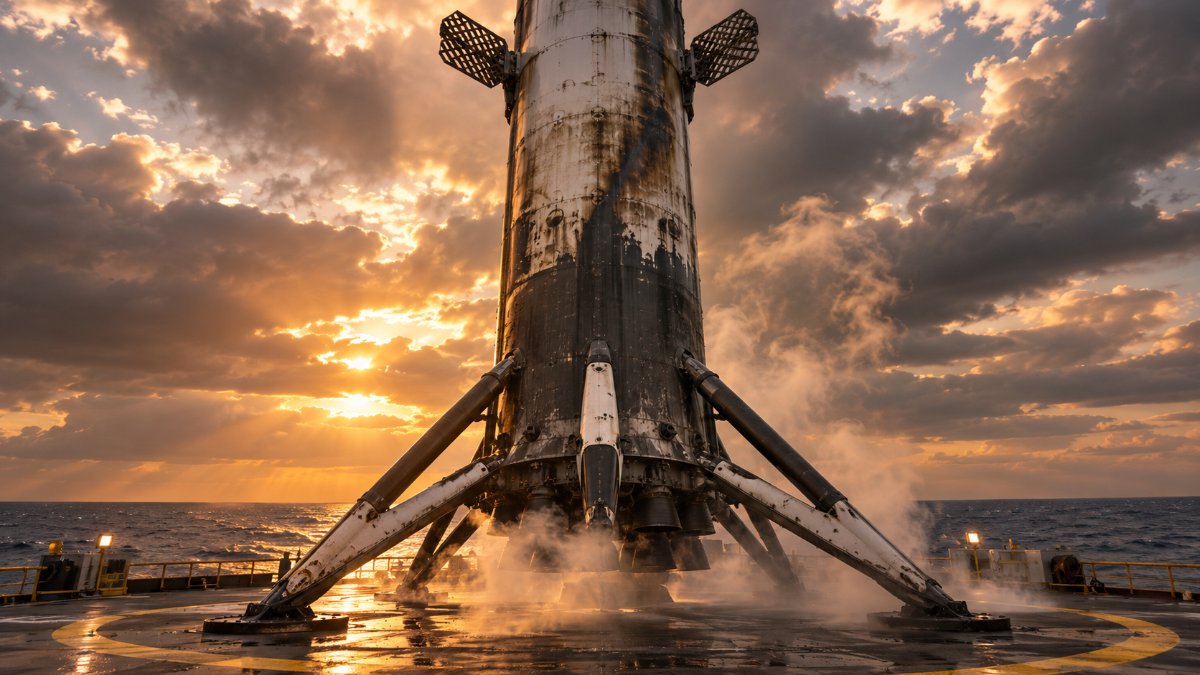
Today the rocket belongs to SpaceX. SpaceX is launching Google’s Suncatcher. And SpaceX is building its own data centers in orbit. It sells the shovels and digs for gold.
Yes, Google’s was a small test.
The chips run in 15-minute bursts so they don't overheat. The hard test is radiation, the same thing that killed Telstar within a year. Two linked satellites follow in 2027. Nobody is selling computing from orbit yet.
But Telstar started with a picture of a flag. Seven years later, a worldwide audience watched the Moon landing live.
What It Means For SpaceX
So here’s why I buy a little SpaceX every single day, no matter what the price does.
1. Cheap power. AI lives in giant buildings full of computers starving for electricity. New ones wait years to plug into the grid, and you’re already paying for the shortage on your power bill. In orbit, there’s no shortage. A satellite runs on sunlight, and sunlight is free. Elon thinks that by 2028 we’ll put more computing power in space each month than we build on the ground. That part’s a guess. The direction isn’t.
2. The rockets. Forget the space AI for a minute. The rocket is the only road to orbit, and SpaceX owns 82% of it. Falcon 9 is the most-flown, most-reliable rocket ever built, 700-plus flights at better than 99%. Starlink serves 13 million people and turns a profit, plus the military’s satellites and NASA’s astronauts.
3. Everything else. Morgan Stanley’s base case values the stock at $300 a share, with the rockets worth about $8 of it. Under 3%. The rest is Starlink and AI. BUT that $8 rocket is the foundation. Reusable boosters put satellites in orbit at a fraction of what anyone else pays, the only reason a 10,000-satellite Starlink is affordable at all. Nobody can copy it, and the gap widens every launch. Price the rocket at $8 if you want. It’s what the other $292 stands on.
And the AI money is already here. Anthropic is now SpaceX’s biggest customer, bigger than the US government. SpaceX built its Memphis data center in 91 days. Everyone else needs two years.
Cathie Wood calls it a steal. Scott Galloway calls it a bubble. The targets run from $115 to $800 on the same stock, because it’s really several companies in one, rockets, internet, AI, and soon maybe cars, robotaxis, and robots if the Tesla merger Musk floated in October goes through. Nobody on Wall Street covers all of that.
The bears might be right for a year. But I know who gets paid no matter what. I can’t time the bottom, so I won’t try. Every day, up or down, I buy a little more.
Watch the rocket.